 Entrar
F1 Undercut Explained: It Worked 31 Times in 181 Tries
Pitting first is the most famous move on the pit wall. In the 2026 GridRaces data, the car ahead usually stayed ahead.
Key takeaways
- An F1 undercut means pitting before the car directly ahead so fresh tyres can jump it when the rival stops.
- In GridRaces 2026 data (rounds 1 to 20), the chaser was ahead in 31 of 181 such cases, about 17 per cent.
- Without Monaco's 45 cases, the figure is 26 of 136, about 19 per cent.
- When the rival stopped on the very next lap, the chaser came out ahead in 20 of 105 cases.
- The test counts every first stop made behind a rival, so it is a proxy and likely understates deliberate undercuts.
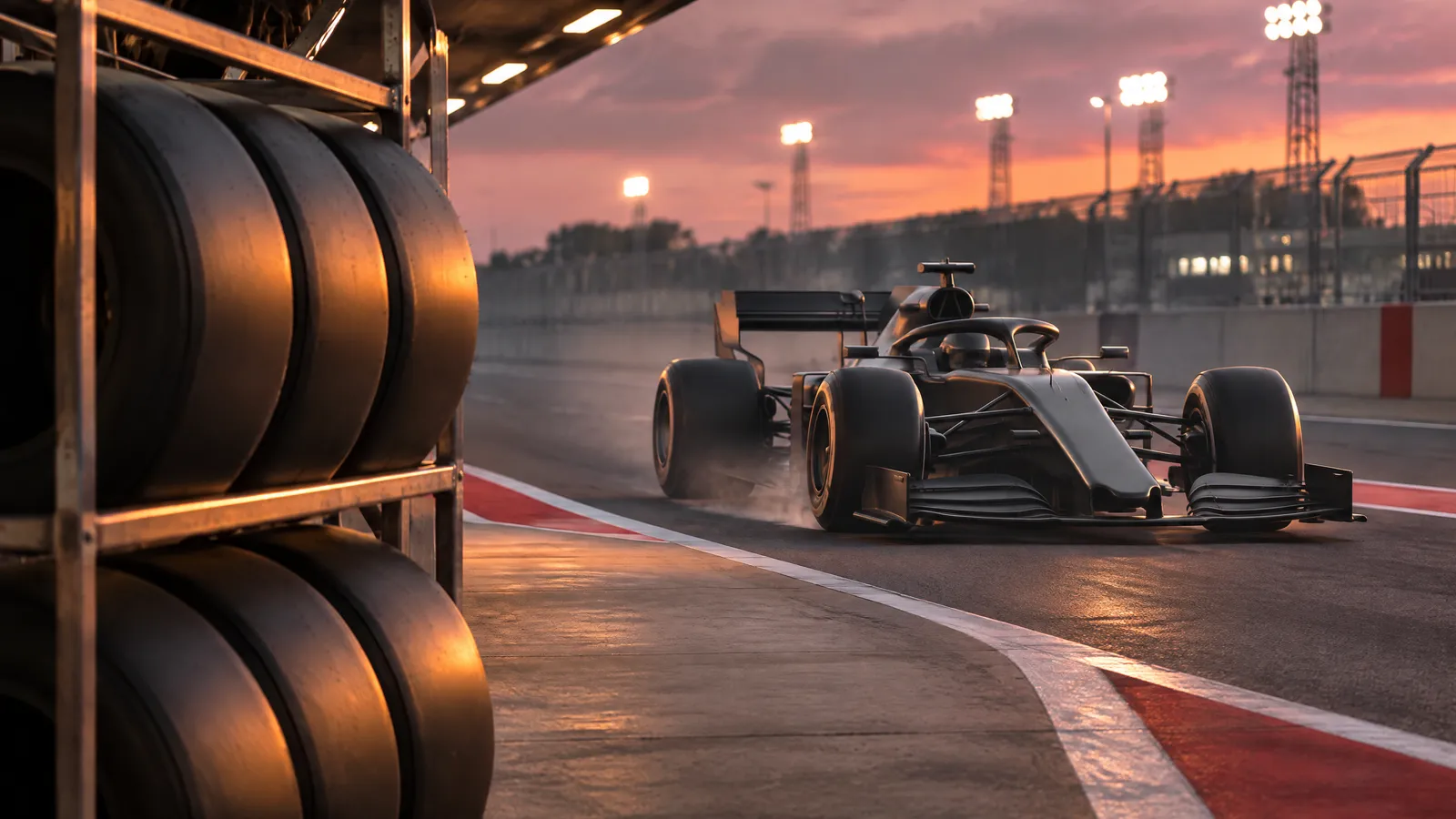
An F1 undercut is a pit-stop tactic: you stop before the car directly ahead, bolt on fresh tyres, and hope their extra pace lets you jump that car when it stops a lap or two later. It is the most famous move on any pit wall. In the 2026 GridRaces data it worked 31 times in 181 cases. The car ahead kept its place the other 150.
What is an F1 undercut, and how does it work?
Picture two cars, Driver B ahead and Driver A close behind, neither able to pass on track. A's team calls A into the pits first. A rejoins on new tyres, which for a handful of laps are worth more than the worn set on B's car. A strings together quick laps while B circles on old rubber. When B finally stops, the time A gained is already in the bank, and if the sums were right, B rejoins behind.
The mirror image is the overcut: stay out, use clear air, pit later. Motorsport.com's strategy primer defines the undercut as pitting before the car in front to try to gain a position. Explainers from GPFans point to Monaco as the classic home of the overcut, because tyres barely degrade there and passing is close to impossible.
The catch is everything that has to go right. The stop must be clean, the out-lap must be free of traffic, and nothing can interrupt the plan. Catapult's motorsport explainer notes that yellow flags, a safety car or a virtual safety car can wipe out the advantage in a single lap.
How often does an F1 undercut work in 2026?
We built a rough test from GridRaces data: 2026 races, rounds 1 to 20, simulations excluded. A car counts as a case if it sits directly behind a rival on the lap before it pits, it stops first, and the rival stops within the next three laps. Two laps after the rival's stop, we check who is ahead. If the chaser is in front, the undercut worked.
That produced 181 cases across 19 rounds. The chaser was ahead in 31, about 17 per cent. The rival was still in front in 150.
Monaco is the odd one out, with 45 cases and only 5 successes. We haven't traced why it generates so many, so here is the same test without it: 26 successes from 136, about 19 per cent. The picture barely moves.
Timing matters more than the totals suggest. When the rival stopped on the very next lap, the chaser came out ahead in 20 of 105 cases. When the rival waited two laps, 3 of 42. Three laps, 8 of 34. Those last two groups are small, so don't read a trend into them; a couple of results either way would flip the shape.
By race, Mexico City produced 6 successes from 18 cases and the Brazilian Grand Prix 5 from 13. Japan (0 from 6), the United States (0 from 8) and Singapore (0 from 5) produced none at all.
Why does the car ahead usually keep its place?
This part is our reading of the numbers, not something the data proves. Three things look likely.
Teams cover. The leader's pit wall sees the chaser pit and answers on the next lap. That is exactly the 105 one-lap cases, and in most of them the defender kept the place. The undercut works less as a way to pass and more as a way to make someone else's pit wall sweat.
Traffic eats the gain. New tyres are only fast in clear air. Rejoin behind a slower car and the extra pace has nowhere to go.
Not every stop is an attack. Our test counts any first stop made behind a rival, including stops for damage, penalties or a plan that was simply running to schedule. That means 17 per cent understates how often a deliberate undercut lands. It is a proxy, and the real number is probably higher.
So is the undercut overrated?
Not quite. A tactic can pay off without ever producing an overtake, if the rival has to stop earlier than planned to answer it. That forced reaction doesn't show up as a position change, and our test can't see it. What the data does say is that the highlight-reel version, where a car jumps its rival in the pits, is the exception. Most of the time the car in front is still in front when the dust settles.
Next up is Las Vegas, round 21 of 23, on Saturday 21 November 2026. We looked at why night temperatures hurt grip earlier this month. Tyres that take longer to wake up on the out-lap would weaken the undercut, but whether that happens on the Strip is something to watch for, not something we can claim.
For more on the numbers behind pit stops, see our look at which team has the fastest pit stops in 2026, the Brazilian GP tyre strategy breakdown and the full set of explainers. Raw stint and pit data lives in GridRaces telemetry.
If you fancy testing your own strategy instincts over the last rounds, create a free GridRaces account and make your picks with virtual Energy.
- Cases analysed (rounds 1-20)
- 181
- Chaser ahead after both stops
- 31 (17%)
- Same test without Monaco
- 26 of 136
- Rival stops next lap
- 20 of 105
Frequently asked questions
What is an undercut in F1?
An undercut is pitting before the car directly ahead so that fresh tyres produce faster laps and let you jump that car when it stops a lap or two later.
What is the difference between an undercut and an overcut?
An undercut means stopping earlier to gain time on new tyres. An overcut means staying out longer, often in clear air, and stopping later. The overcut tends to get its chance where tyres barely degrade and passing is hard, such as Monaco.
How often does an undercut work in 2026?
In a GridRaces proxy test of 181 cases across 19 rounds, the chaser was ahead two laps after the rival's stop in 31 cases, about 17 per cent. The test counts every first stop behind a rival, so deliberate undercuts probably succeed more often.
Sources
- F1 strategy explained: What's an undercut, overcut, a DRS train and more — Motorsport.com
- F1 pit stop strategy breakdown: The undercut and overcut explained — GPFans
- Optimizing Race Strategy in Motorsports: The Power of the Undercut and Overcut — Catapult
- Why the Las Vegas Grand Prix is harder than its long straights suggest — GPFans
- GridRaces pit stop and lap data, 2026 rounds 1-20 — GridRaces
Related
F1 Undercut Explained: Why Pitting First Can Win a Race
F1 undercut explained: how an early pit stop can pass a rival, why it fails in traffic, and what to watch at Singapore.
F1 Tyre Stints 2026: Hards Ran 24 Laps, Softs Just 14
Hards averaged 24.3 laps, mediums 18.9 and softs 14.3 across 1,073 slick stints in 2026. What the data says about tyre life.

Safety Car 2026: 13 Deployments, 22 VSCs and One Quiet Race
13 safety cars and 22 VSCs in 17 rounds, then none in Brazil. What the 2026 race-control logs say before Las Vegas.