 Entrar
Explainers4 min
Parc Fermé in F1 Explained: What Teams Can Still Change
Parc fermé in F1 locks a car's set-up from qualifying to the race. What teams can still change, how the FIA polices it, and what a pit lane start means.
Formula 1 explainers: rules, strategy and racing concepts made clear for new and returning fans.
Esta página está disponível só em inglês. A versão em português depende de revisão de um advogado, não de tradução.
Parc fermé in F1 locks a car's set-up from qualifying to the race. What teams can still change, how the FIA polices it, and what a pit lane start means.
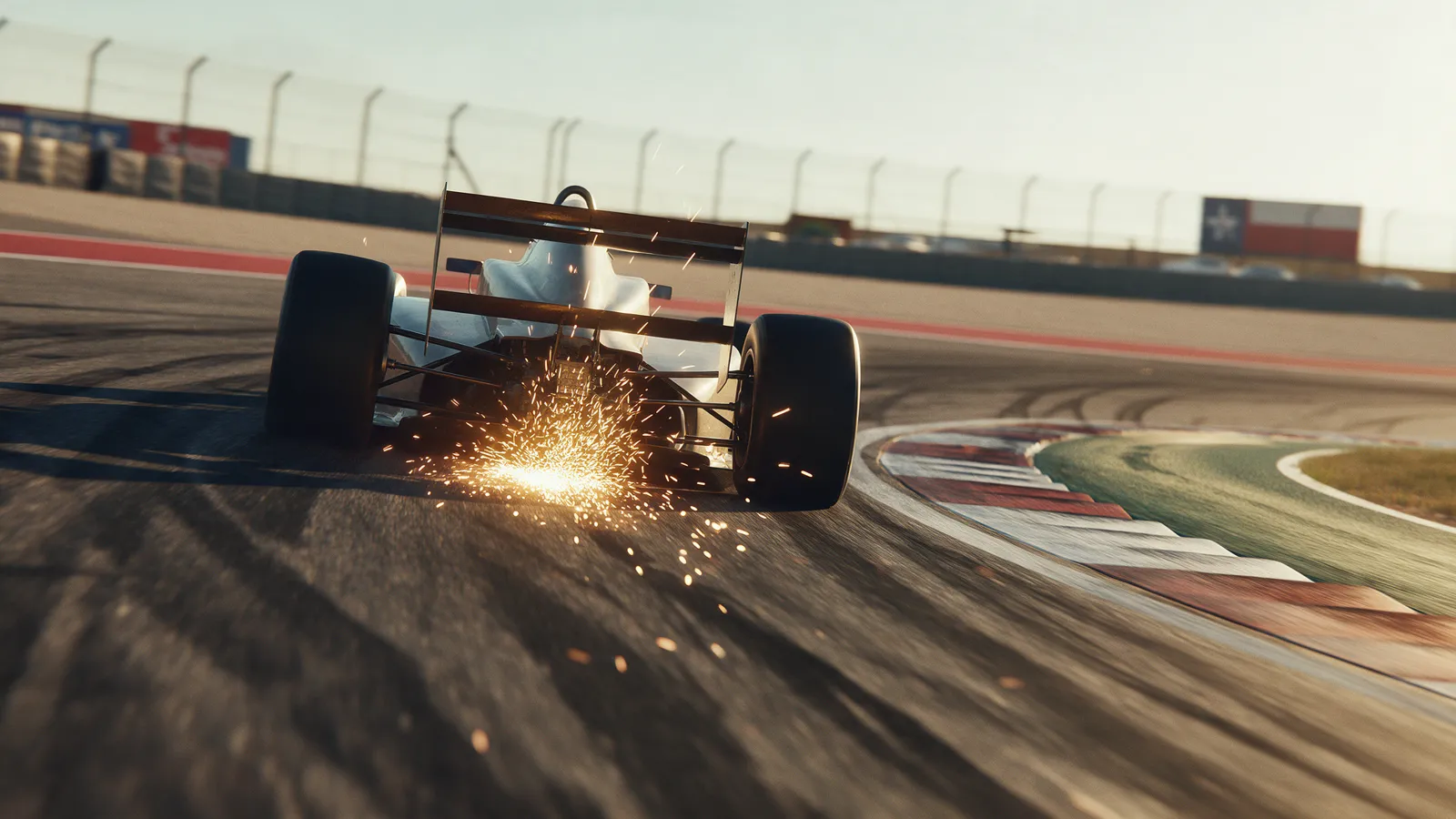
Verstappen says the COTA bumps are out of control and harder on 2026 cars. What bottoming out means, why braking zones suffer and what drivers want fixed.
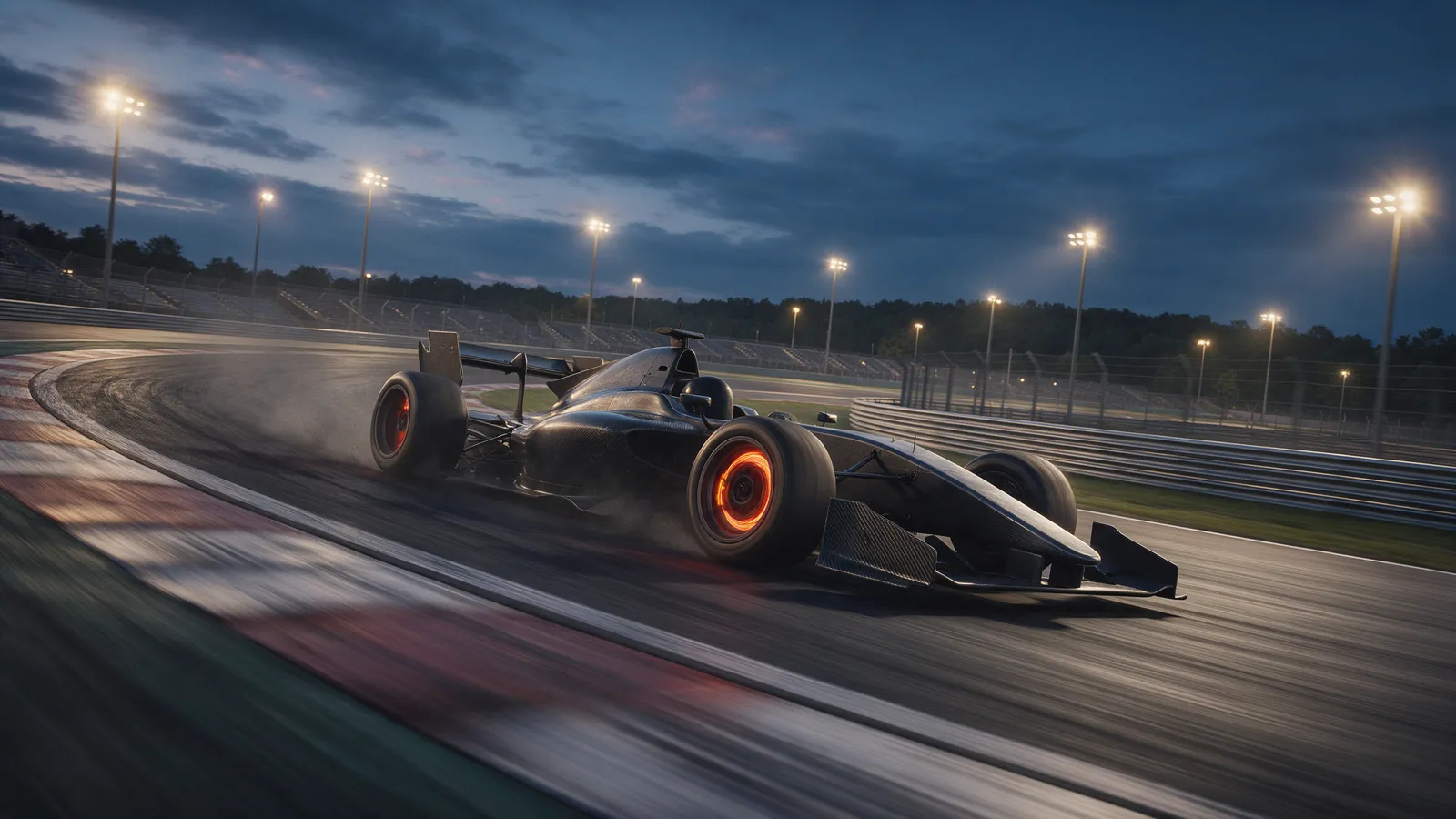
How F1 qualifying works in 2026: 18, 15 and 13 minutes, six cars dropped in Q1 and Q2, and ten fighting for pole.

Overtake Mode replaces DRS in 2026: within one second of the car ahead, you get 0.5MJ extra energy on the next lap.
A practical F1 fantasy guide for 2026: team rules, budget, lock times, transfers, penalties and how to play for free.
No F1 26 this year. A guide to the best F1 games in 2026: driving, prediction, fantasy and 3D replay.
A guide to the F1 3D simulation at GridRaces: replays, cameras, garage and live moments, plus what it cannot do.
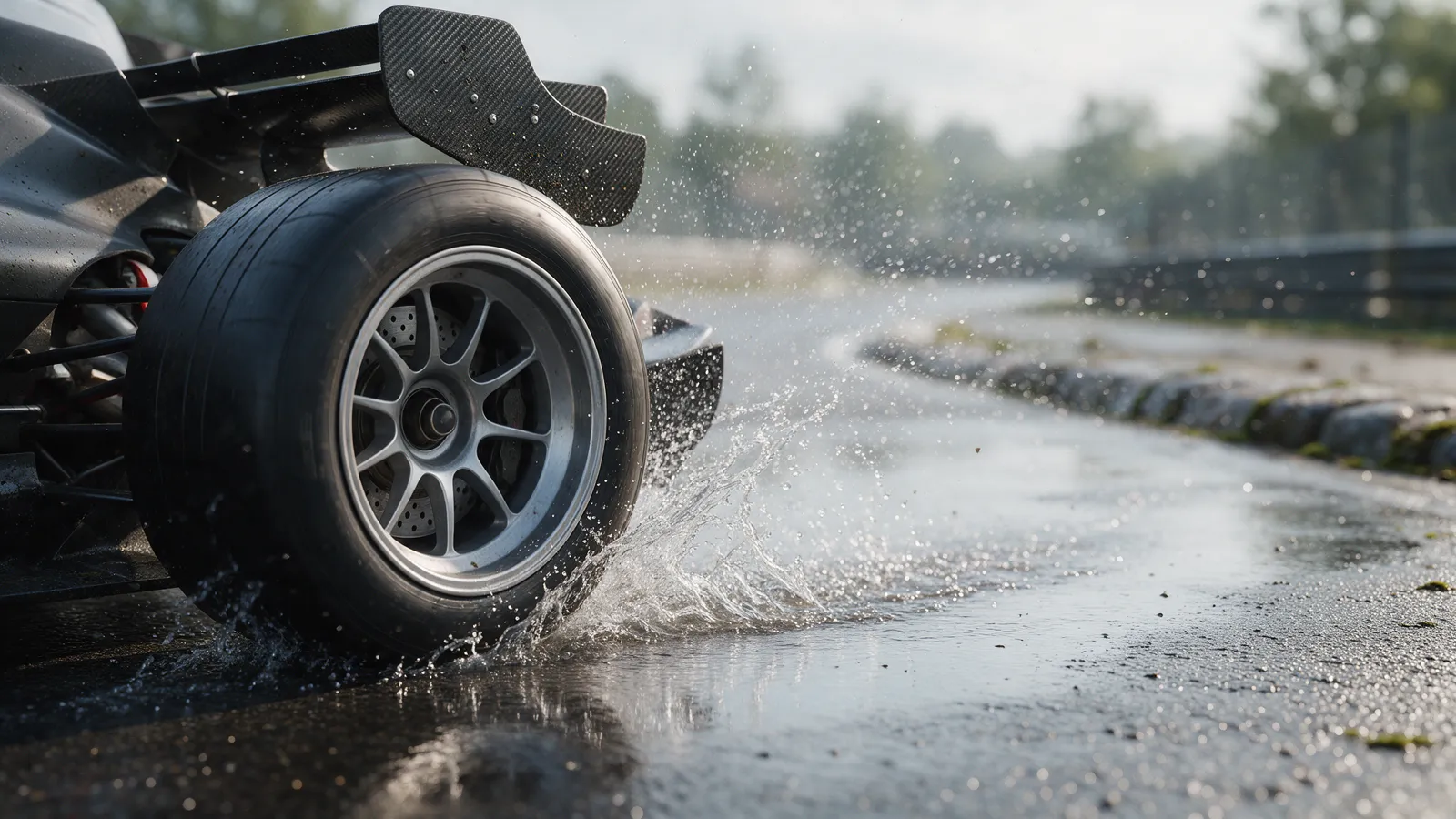
F1 intermediate tyres explained: when drivers switch from slicks, how inters shed water, and what the wet 2026 Singapore Sprint showed about them.
The F1 sprint weekend format explained for Singapore 2026: one practice, a shootout, a 100 km sprint, and a grid set on Saturday.
F1 undercut explained: how an early pit stop can pass a rival, why it fails in traffic, and what to watch at Singapore.
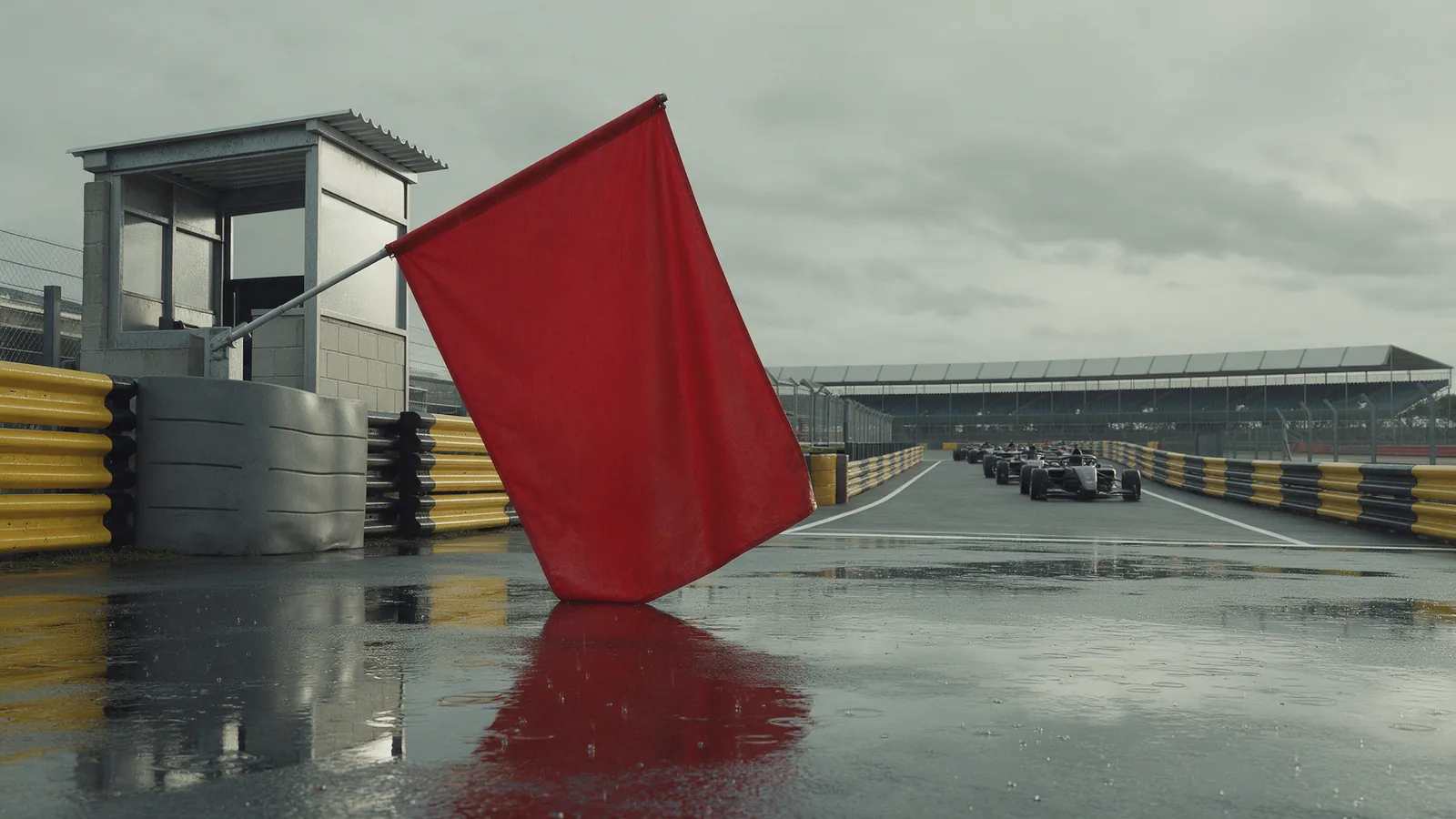
F1 red flag rules explained: what happens to the cars, which repairs and tyre changes are allowed, and how a stopped race restarts.
Why the Marina Bay Street Circuit is so demanding: 4.927 km, 62 laps, heat, humidity and a sprint weekend with one practice hour.