 Entrar
Esta página está disponível só em inglês. A versão em português depende de revisão de um advogado, não de tradução.
AnalysisF1 Pole to Win Conversion 2026: 13 Wins From 19 Starts
The driver first on the grid has won 13 of 19 races this year. The six misses all have different causes.
Key takeaways
- The driver first on the grid has won 13 of 19 races in the 2026 GridRaces data, or 68%.
- The front row has produced 17 of 19 winners; only Italy (from 19th) and Mexico City (from fifth) were won from further back.
- Antonelli converted six of seven first-on-the-grid starts; Russell three of five.
- The six misses had six different causes, from a retirement to a collapse to a safe second place.
F1 pole to win conversion in 2026 stands at 13 from 19: the driver first on the grid has gone on to win 68% of the time. Widen it to the front row and the figure jumps to 17 from 19. Only two races this season were won from further back, and they were Italy and Mexico City, both of which had a very particular story attached. This is the GridRaces read on what the front of the grid is really worth, ahead of qualifying for the Sao Paulo Grand Prix on 7 November 2026.
How good is F1 pole to win conversion in 2026?
Good, but not the lock people assume. Across the 19 rounds in the GridRaces database, the driver starting first on the grid won 13 times. That sounds like a law of nature until you look at the six rounds where it did not happen, because each one has a different cause. Nobody is failing for the same reason twice.
Here is the miss list. In Canada, George Russell started first and retired, and Kimi Antonelli won from second. In Barcelona, Russell finished second and Lewis Hamilton won from second on the grid. In Britain, Antonelli started first and finished 15th, while Charles Leclerc won from second. In Italy, Pierre Gasly was first on the grid and finished seventh, while Antonelli won after starting 19th. In Spain, Lando Norris started first and finished third, with Antonelli winning from second. In Mexico City, Hamilton started first and finished second, and Max Verstappen won from fifth.
That is a DNF, two second places, a collapse, a seventh and a third. The only thing those six rounds share is that Saturday was not the whole story.
Which drivers convert first on the grid into wins?
The per-driver table is where the argument gets interesting. Antonelli has started first seven times and won six of them. Verstappen is two from two. Norris is two from three. Russell, who has been first on the grid five times, has converted three. Gasly and Hamilton have one start from the front each and no win from it.
Read that carefully, because the samples are small. Verstappen's perfect record is two races. Gasly's zero is one. What the table does support is a narrower claim: Antonelli's season is built on Saturday leverage, and when he loses it, he tends to lose it spectacularly (Britain) or win anyway (Italy). The Russell line is the more worrying one for Mercedes, because his five front starts produced three wins, a second place and a retirement. The second place is a pace story. The retirement, in Canada, reads like a garage problem.
Does the front row still decide F1 races in 2026?
Mostly. Of the 19 winners, 13 started first and four started second, which gives 17 from the front row. Those four second-on-the-grid wins went to Antonelli (Canada and Spain), Hamilton (Barcelona) and Leclerc (Britain). So the car in the second grid slot is not a consolation prize. It is a seat that has turned into a win about one round in five.
The two outliers are the part worth screenshotting: the only winners this year from outside the front two rows came from 19th and from fifth. Antonelli's Italian win from 19th is the extreme case, and it sits in the data as a reminder that a bad grid slot is not always a bad race.
What is the counter-argument?
The obvious one is that 19 races is a small number and the grid does not tell you why a driver started where he did. A grid slot after a penalty is not the same animal as a pole lap. Gasly's first-on-the-grid start in Italy is a good example: the GridRaces data lists it, and it did not lead to a win. The other point is that first-on-the-grid wins cluster in a few hands. Antonelli and Russell account for 9 of the 13.
There is also the lap-one question, which our look at the first lap in 2026 covers: even a driver who holds the lead into Turn 1 still has to defend it for the rest of the race.
What does this mean for the Brazilian Grand Prix?
Qualifying sets the grid at 18:00 UTC on 7 November 2026, so there is no Interlagos grid to analyse yet. What the season so far gives us is a base rate. If the 2026 pattern holds, the driver on the front of the grid on Sunday has about a two-in-three chance of winning, and the front row about nine in ten. Treat that as a starting point, not a forecast. A likely front-row candidate, Russell, also carries a five-place engine penalty into the weekend, which we cover in our news piece on the Russell grid penalty.
If you want to see how a pole lap converts into a race lead in practice, Telemetry shows each driver's pace pattern, the standings page tracks the championship, and the live page is where the grid will show up on Saturday. For more data-led reads, browse the analysis section. Our write-up of Hamilton's Mexico City pole shows how thin a pole margin can be, and how little it can guarantee.
- Wins from first on the grid
- 13 of 19
- Wins from the front row
- 17 of 19
- Won from 19th (Italy)
- Antonelli
- Won from 5th (Mexico City)
- Verstappen
| Pos | Driver | Wins / starts from first on the grid |
|---|---|---|
| 1 | Max Verstappen | 2 of 2 |
| 2 | Andrea Kimi Antonelli | 6 of 7 |
| 3 | Lando Norris | 2 of 3 |
| 4 | George Russell | 3 of 5 |
| 5 | Pierre Gasly | 0 of 1 |
| 6 | Lewis Hamilton | 0 of 1 |
Frequently asked questions
How often does the driver first on the grid win an F1 race in 2026?
13 times in 19 rounds, about 68%, according to the GridRaces database.
Who has converted first on the grid into wins most often in 2026?
Kimi Antonelli, with six wins from seven first-on-the-grid starts. Max Verstappen is two from two, but on a much smaller sample.
Related
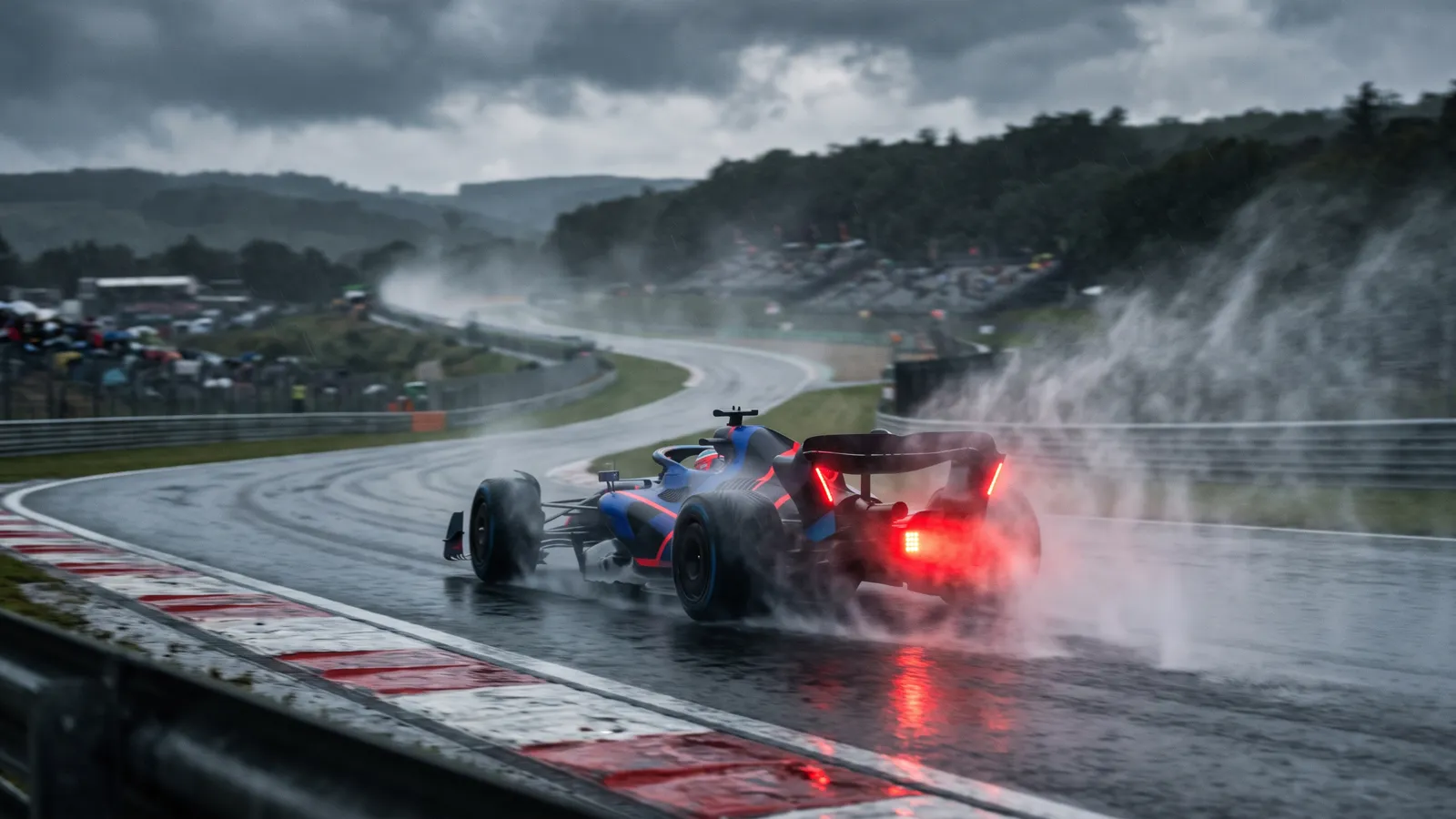
F1 Wet Race 2026: Rain Hit Three Rounds, Grid Held
Rain touched three of 19 rounds in 2026 and all three were won from first on the grid. GridRaces data on the wet-race myth, with Interlagos in the forecast.
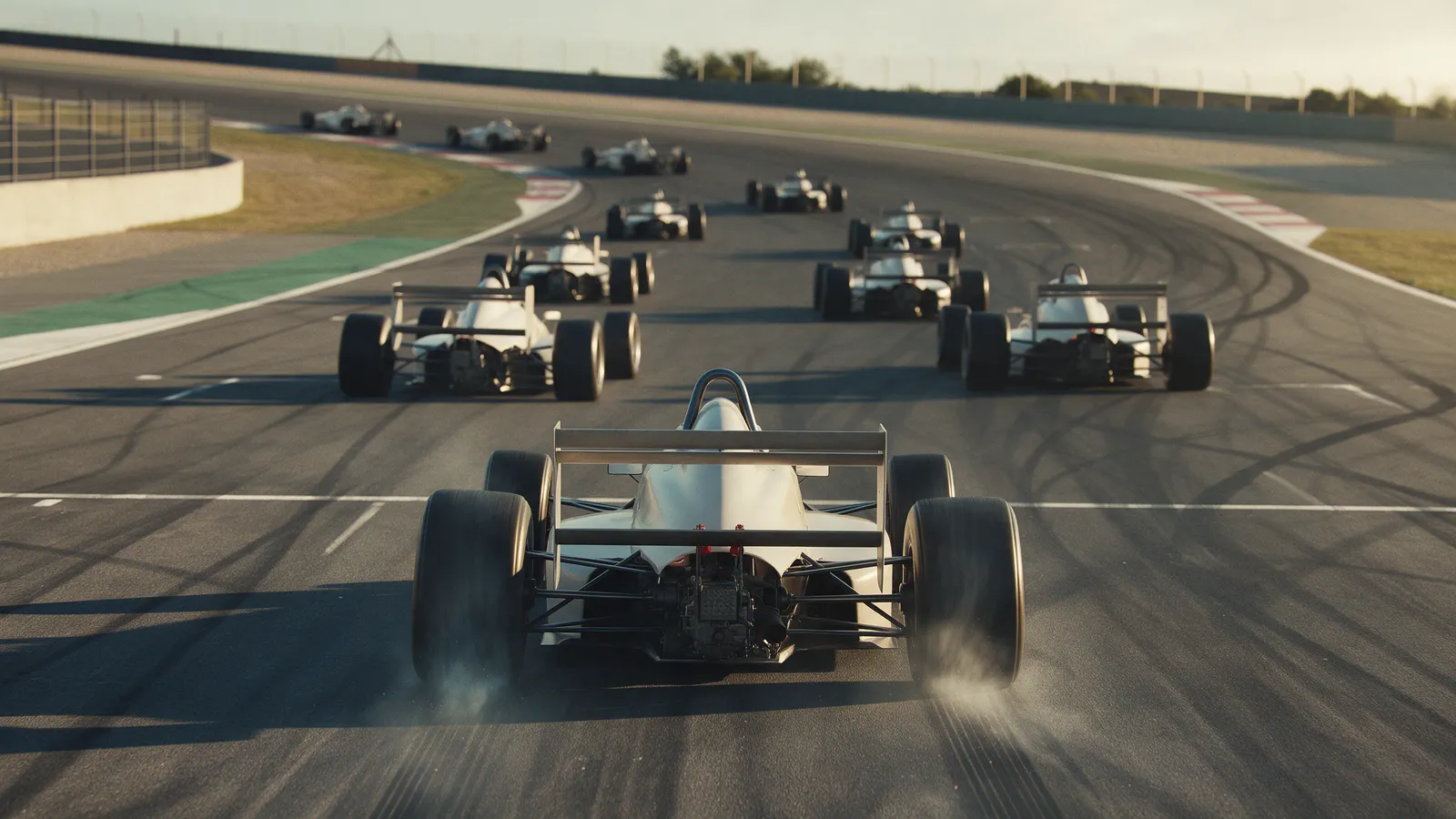
F1 Places Gained 2026: Who Really Moves Up on Sunday?
F1 places gained in 2026 mostly reflect grid slot. Hadjar gains 3.00 a race, Verstappen 1.29, Russell loses 0.67 in GridRaces data.
Mexico City Race Pace 2026: Verstappen, Ferrari, Mercedes
Mexico City race pace in 2026 split into three tiers: Verstappen and Ferrari level, Mercedes 0.4s back. GridRaces median lap data ahead of Interlagos.